



By Excellence First Enterprise Consultancy Ltd
Executive Brief
The Yangtze River Delta (YRD)—encompassing Shanghai, Jiangsu, Zhejiang, and Anhui—has emerged as China’s foremost synthetic biology and biomanufacturing powerhouse. In just two years, the “Golden Corridor” has witnessed explosive growth, with annual revenue soaring from ¥29 billion (2022) to over ¥90 billion (2024)—a 213% increase.
This success story is powered by strategic regional policy, AI-biology integration, and a thriving innovation ecosystem. For the UK life sciences sector, the YRD presents not just a case study—but a clear call to collaboration.
What’s Driving the YRD’s Growth?
Regional Clustering & Integration An interconnected web of innovation parks, research institutions, and biotech companies is driving momentum. Notable hubs include:
- Changzhou Synthetic Biology Industry Innovation Park (launched 2023): Home to 60+ companies and significant capital inflows.
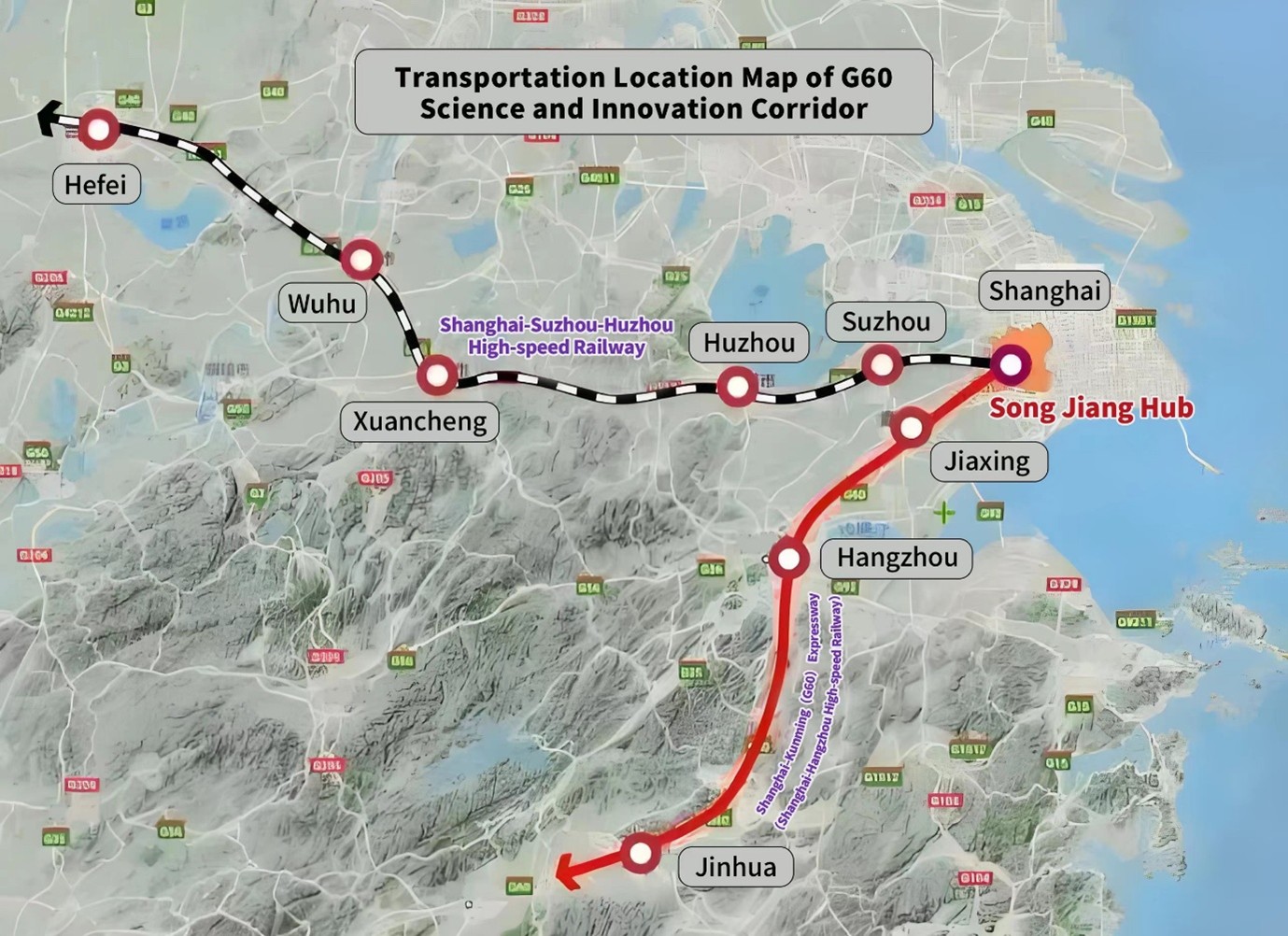
- Shanghai Synthetic Biology Innovation Centre and the G60 Science and Technology Innovation Corridor, which are accelerating tech transfer and multidisciplinary collaboration.
AI x Synthetic Biology Synergy YRD pioneers are merging artificial intelligence with synthetic biology—streamlining R&D, boosting industrial scale-up, and birthing dozens of promising ventures. Automated pilot production lines are turning ideas into market-ready solutions faster than ever.
Global Vision, National Backing By 2030, the YRD plans to anchor itself in the global bioeconomy, climbing to the top of the synthetic biology value chain. This ambition is fuelled by national-level policy alignment, targeted funding, and tight-knit cooperation across government, academia, and industry.
Real-World Applications & Market Impact
From bio-based materials to precision biomedicine, YRD firms are pushing boundaries. In Changzhou alone, over 200 enterprises are generating nearly ¥56 billion in production value—impacting sectors including:
- Biopharmaceuticals
- Green materials
- Personal care & cosmetics
- Sustainable food & manufacturing
Key Takeaways for the UK Life Sciences Community
- Innovation Blueprints
The YRD’s regional integration and clustering model offers replicable strategies for UK clusters aiming to scale impact.
- Next-Gen R&D
Blending AI with synthetic biology can radically shorten development timelines and bolster commercial viability.
- Collaboration Pathways
Abundant opportunities exist in co-development, data-driven drug discovery, and sustainable biomanufacturing partnerships.
- Policy & Investment Inspiration
China’s approach—combining dedicated public funds, innovation parks, and cross-sector alliances—may hold valuable lessons for UK science policy and infrastructure planning.
Conclusion
The rise of synthetic biology in the Yangtze River Delta exemplifies how targeted investment, ecosystem thinking, and technological convergence can deliver transformative growth. For UK stakeholders, this is more than observation—it’s a gateway to meaningful engagement, mutual growth, and global leadership.
References
- Changzhou Government, “Yangtze River Delta Synthetic Biology Industry Innovation Park,” 2023.
- Shanghai Daily, “Nanda City set to become world’s synthetic biology highland,” 2023.
- Shanghai Municipal Government, “Shanghai establishes synthetic biology innovation center,” 2024.
- Shanghai Daily, “G60 sci-tech corridor gives new vitality to the delta,” 2023.
For further discussion or partnership enquiries, please contact Excellence First Enterprise Consultancy Ltd: office.uk@excellence-first.com