



EFEC企业要闻
2024年伊始,让我们展望EFEC在新的一年里的主要亮点项目。
EFEC项目的核心在于建立双赢的英中机构合作关系,并在这一框架下支持企业和个人发展。项目围绕以下四个领域展开:
- 领导者、教师和学生教育技能培训
- 人才培养 — CognateUK一站式人才发展和培养平台
- 产学研服务
- 商业创新落地服务
EFEC在教育和技能培训领域拥有十八年的丰富经验,过往项目备受瞩目且有口皆碑。新年伊始,我们已经在筹备今年的国内领导者和教师的英国研学之旅,同时也继续投入加强对中国留学生在英国的学术和职业发展支持服务。
自2019年起,EFEC成功开设了一系列CognateUK服务,涵盖中国学生进入英国教育体系、取得成功并在英国求职的整个过程,就像一个“一站式服务”平台。CognateUK对年轻学子和家长极具吸引力,我们期待着这个平台在2024年保持稳健发展。
EFEC项目的另一个延伸方向是产学研服务领域。这主要在于促进大学之间的合作,涵盖职业教育和高等教育。依托于我们的研学旅行项目,并通过EFEC上海办公室为我们在国内的客户制定令人振奋的年度计划。

支持企业创新是我们的一大抱负,并将在两个方面带来新机遇:一是协助英国公司在华寻找投资者、合作伙伴和市场,二是协助中国公司进军或出口产品至英国。2024年,我们在航空、清洁技术和生命科学等领域将推进一些新的项目。
At the outset of 2024, a look ahead to the main features of the EFEC programme for the year.
EFEC’s programme is based on creating positive ‘win-win’ [partnerships between UK and China organisations and supporting individuals in this context.
The programme is structured around our four themes:
- Education and skills training for leaders, teachers and students
- Talent training – one-stop Cognate UK
- Industry-university-research services
- Business innovation landing services
Our original offer, now with 18 years’ experience, continues to thrive. This I the Education and skills training for leaders, teachers and students. We are already into planning for our next study trips for Chinese leaders and teachers to the UK and our newer offer of academic support for Chinese students in the UK gathers pace.
Growing out of this since 2019, has been the successful development of the EFEC Cognate UK suite of services to help Chinese students to enter the UK education system, succeed and seek jobs in the UK economy. Designed as a ‘one-stop shop’ offer and spanning the whole journey, Cognate is proving attractive to young people starting at the point in the journey that they have reached. We look forward to steady growth in 2024.
Another logical extension of the EFEC programme has been into the industry – university research services arena. This is mainly about creating partnerships between universities and encompasses further education as well as higher education, fed by our study trips provision and working through the EFEC Shanghai office, we are developing exciting plans for the year ahead.
Our ambition to support business innovation is realising a variety of opportunities. These are both in the work we do in supporting UK companies to find investors, partners, markets in China, and in Chinese companies looking to expand into, or export to, the UK. We have a range of new initiatives in aviation, cleantech and life sciences to keep us busy in 2024.
英国前沿资讯
工业政策重磅回归:政府如何引领经济转型?
随着拜登的《通胀削减法案》和《科学法案》以及欧盟的“绿色工业计划”的出台,工业政策再次成为全球焦点。在经历了多年“放任自流”的政策导向后,各国政府重新审视并实践工业政策,以应对全球经济格局的深刻变化。
仅仅纠正偶尔的市场失灵已经无法满足当今的需求。政策制定者需要采取积极措施,塑造和开拓新的市场。通过掌握必要的信息、能力和工具,政府可以成为积极引领私营企业的伙伴。
有效的工业政策应涵盖四个维度:
- 工业战略: 设定目标,例如实现净零排放,并制定一系列协调的政策措施,以及对整个计划的持续管理。
- 生产: 影响商品和服务进入市场的方式,包括产品标准、低成本融资等。
- 采购: 影响商品和服务购买或离市的方式,包括采购条件、关税等。
- 经济环境: 影响整个经济的要素,包括劳动力、基础设施和创新水平,可以针对特定行业或整个经济提供支持。

(图源素材库)
塑造市场需要一系列工具,以优化市场内行业的操作方式。这些工具将最终影响各行业之间的互动,并有效引导资源的重新分配。工业战略本质上就是选择。
低碳经济转型将会导致一些行业,如石油和天然气,面临萎缩;另一部分行业,如以煤焦炼钢转向电弧炉炼钢,则将进行全面转型;同时还会催生新的行业,如海上浮动风电。
政策制定者需要选择恰当的工具组合以实现目标,同时避免被单纯追求更高利润的私营企业所俘获或主导。
制定绿色工业战略需要两大举措:一是加强政府能力,引入更多市场情报或特定技术方面的专业知识;二是明确设定私营和公共部门的期望和责任——这些正是与激励措施(如补贴)相匹配的约束机制。
[来源:英国研究与创新总署]
With Joe Biden’s Inflation Reduction Act and Science Act, and the EU’s Green Industrial Plan, industrial policy is back in vogue.
After years of neglect in favour of hands-off, agnostic policymaking, governments around the world are relearning what industrial policy is and how to use it.
Responding to global economic shifts requires policymakers to move beyond the bare minimum, correcting the occasional market failure, to actively shaping and creating new markets.
With the right information, capabilities, and an understanding of the tools at its disposal, Governments can be a supportive and active partner to the private sector.
Industrial policy should have four dimensions:
- Industrial strategy: this should set an objective, such as reaching net zero emissions, how government intends to achieve it through a set of coordinated industrial policies, and the ongoing governance of that plan;
- Production: interventions that affect how goods and services arrive in the market; these include rules like product standards or costs like low-cost financing;
- Purchasing: interventions that affect how goods and services are bought or leave the market, again including rules like procurement conditions or costs like tariffs;
- Economic conditions: the underlying aspects of an economy such as its workforce, infrastructure, or level of innovation; all of which can be targeted to support specific sectors as well as economy wide.
Shaping markets requires a range of tools to reformulate industries acting within them.
These tools ultimately shape the interaction of industries in the market and should, if used effectively, lead to the reallocation of resources between them. Industrial strategy means to choose.
The transition to a low-carbon economy will see some industries, like oil and gas, shrink. It will transform others, like coal-coked steelmaking to electric arc furnaces, and establish new ones, like floating offshore wind.
Policymakers will need to choose the right blend of instruments to meet their objectives and avoid capture or dominance by a private sector merely seeking ever higher profits.
Developing a green industrial strategy requires two things. First, expanded government capabilities – bringing in-house more expertise in market intelligence or in specific technologies. And second, set out clearly the expectations and accountability for both the private and public sector – these are the sticks (or conditions) that go along with the carrots (like subsidies).
[Source: UK Research and Innovation]
剑桥大学最新科研新闻
剑桥和牛津研究:实现净零必须解决不平等
剑桥大学和牛津大学的研究人员指出,要赢得气候变化抗争,就必须赢得另一场针对不平等的战斗。他们认为,如果不解决不平等问题,我们就无法实现净零排放,因为在拥有经济、健康资源和足够时间的社会中,推动气候友好政策将更加成功。
“越来越多的人认识到,在谁造成气候变化,谁承受后果方面存在不平等,但对于不平等对改变行为以减少碳排放的影响却鲜少关注,”剑桥大学心理学和动物学系博士后研究员、新报告的第一作者夏洛特·库科夫斯基博士说。该报告已发表在《自然气候变化》期刊上。
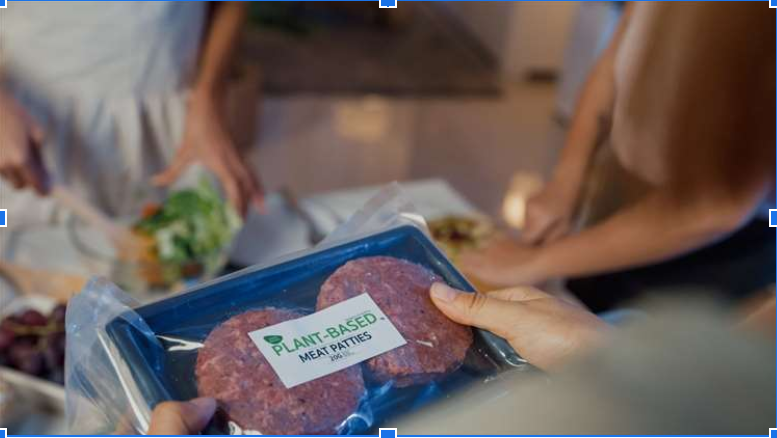
改吃植物性食物是减少碳排放的好方法。
Switching to plant-based food is a good way to reduce your carbon emissions.
“低收入人群在减少碳足迹方面受到更多限制,因为改变生活方式往往需要更高的成本和时间投入。”
研究人员指出,富裕者通常碳足迹更大,但他们也往往拥有比其他人更便捷的减排方式。 对阻碍人们改变行为的障碍缺乏政治层面的理解可能会妨碍低碳经济转型。 他们呼吁政策制定者在所有收入阶层提供平等的减排机会。
研究人员将不平等定义为财富和收入、政治影响力、闲暇时间以及获取低碳选择(例如公共交通和房屋保温补贴)的机会等方面的差异。
他们列举了多个例子说明不平等如何限制人们转向低碳选项。例如,英国许多老旧房屋隔热性能差,供暖耗能远高于新建房屋,但房屋保温往往成本高昂,政府补贴也只适用于自有住房,这意味着租房者无能为力。研究人员建议,应该针对低收入群体制定合适的方案,帮助他们在家中减少碳排放。
他们还指出,植物肉替代品通常比可以替代的动物产品更昂贵,尽管多吃植物性食物是个人减少碳足迹最有效的方法之一。 虽然电动汽车和自行车越来越受欢迎,但它们需要高昂的前期成本,而那些没有固定工作的人通常无法享受税收优惠或雇主福利计划提供的融资。 农村地区公共交通服务差,也让许多人无法选择低碳出行方式。
解决不平等是实现净零排放的关键。政策制定者应考虑收入、时间、地理位置等因素,以确保每个人都有机会做出必要的改变。只有通过公平公正的转型,我们才能赢得气候变化的斗争。
[来源: 剑桥独立日报]
To reach net zero we must tackle inequality, argue University of Cambridge and Oxford researchers.
If the war against climate change is to be won, there is another battle that needs to be won against inequality, say researchers in Cambridge and Oxford.
They argue we cannot achieve net zero without tackling the problem, as the promotion of climate-friendly behaviours will be far more successful in those societies where people have the financial and physical means, and the time, to make those changes.
“It’s increasingly acknowledged that there’s inequality in terms of who causes climate change and who suffers the consequences, but there’s far less attention being paid to the effect of inequality in changing behaviours to reduce carbon emissions,” said Dr Charlotte Kukowski, a postdoctoral researcher in the University of Cambridge’s Departments of Psychology and Zoology, and first author of a new report published in the journal Nature Climate Change.
“People on lower incomes can be more restricted in the things they can do to help reduce their carbon footprint, in terms of the cost and time associated with doing things differently.”
Wealthier people typically have large carbon footprints, but they also often have the means to reduce their footprint more readily than those less well-off.
The lack of political acknowledgement of the barriers facing those trying to change their behaviour could hamper efforts to switch to low-carbon economies, the researchers argue.
They call on policy-makers to provide equal opportunities for change across all income levels.
The researchers define inequality in terms of wealth and income, political influence, free time and access to low-carbon options such as public transport and housing insulation subsidies.
They offer a number of examples of how inequalities restrict people from making a switch to lower-carbon options, noting how the UK has many old, poorly-insulated homes that require more energy to heat than new-build homes, but insulating homes can be costly – and government subsidies are generally only available for homeowners. That means those renting have little control. Appropriate schemes are needed, the researchers suggest, for those in lower income groups to reduce carbon emissions in their homes.
They also point out that the cost of plant-based meat alternatives, which often prove less affordable than the animal products they could replace, yet eating more plant-based food – instead of meat or animal-derived products – is one of the most effective changes an individual can make to cut their carbon footprint.
And while electric cars and bikes are growing in popularity, they represent substantial upfront costs and those who are not in permanent employment typically do not benefit from tax breaks or the financing available via employer schemes.
Poor public transport services, particularly in rural areas, mean other low-carbon transport options are not feasible for many.
[Source: Cambridge Independent]